
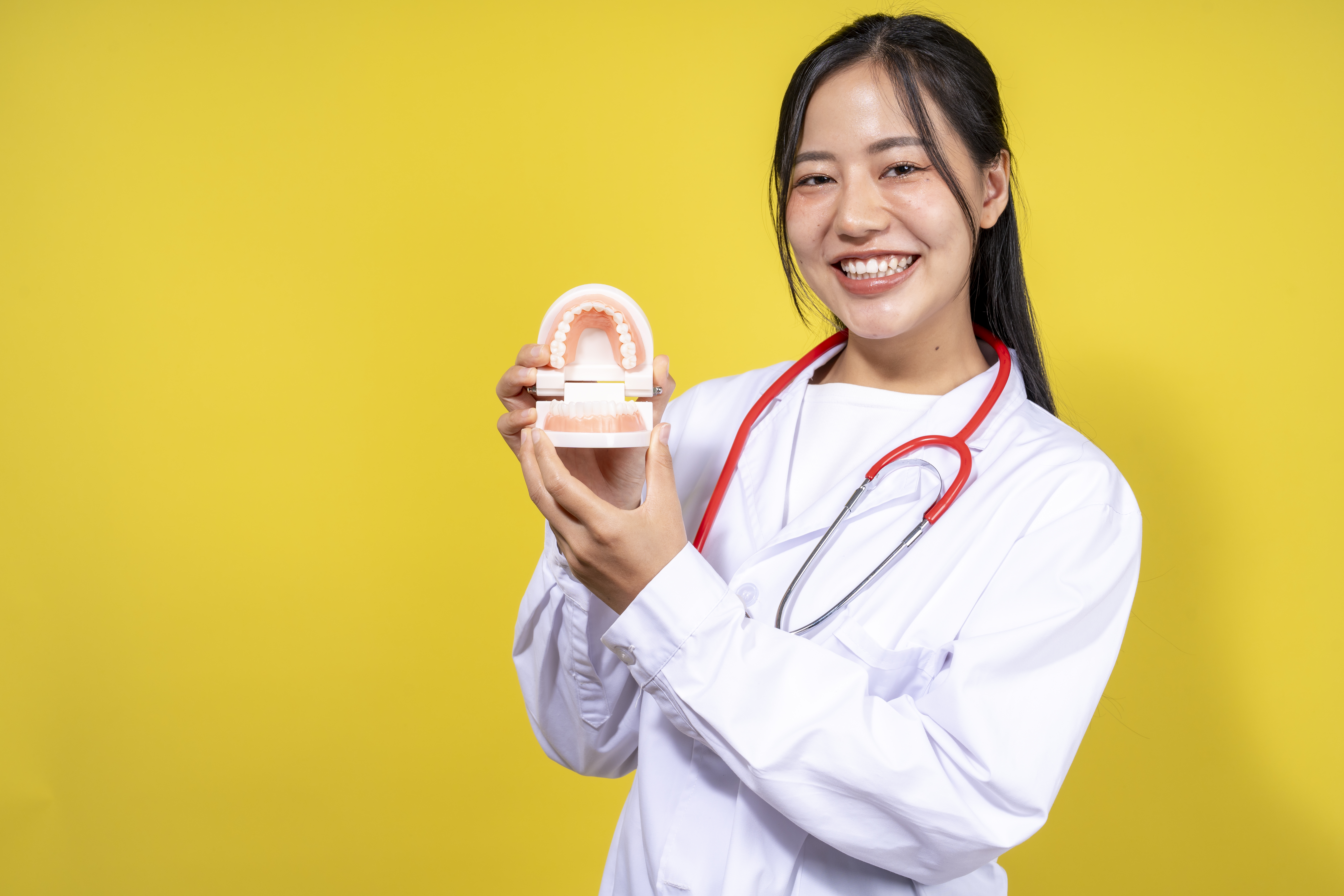




Your Smile Impacts Your Life
Research consistently demonstrates the diverse, wide-ranging benefits of an attractive smile. Our AI is built on these scientific principles.
Higher Career Success
Attractive people earn 10-15% more and are perceived as more qualified in job interviews
Better Dating Outcomes
Facial attractiveness predicts success in speed-dating and long-term relationships
Increased Trust & Likability
Facial proportionality is significantly associated with higher ratings of trustworthiness
Boost Self-Confidence
Attractive people report higher well-being and are less likely to suffer from mental health issues
Stronger First Impressions
Smiles and facial features are the most significant predictors of first impressions
Enhanced Quality of Life
Attractive faces receive better treatment in healthcare, education, and legal systems
The Science of Smile Aesthetics
Our AI analyzes facial proportions, symmetry, and dental aesthetics based on decades of clinical research — not myths or marketing.
The Golden Ratio Myth
While the golden ratio (phi = 1.618) is popular in aesthetics, recent research shows facial proportionality and symmetry are better predictors of attractiveness than strict golden ratio adherence (Schmid et al., 2008).
Facial Symmetry
Symmetrical faces are consistently rated as more attractive across cultures (Rhodes et al., 1998). Our computer vision algorithm detects facial asymmetries and suggests symmetrical smile designs.
Facial Proportions
UPenn Neuroaesthetics found that facial proportionality significantly predicts attractiveness and trustworthiness. Attractive women share: increased upper facial third, smaller face, more voluminous lips.
What Does Clinical Research Tell Us?
- Facial symmetry matters more than you think: Studies show symmetrical faces are rated as significantly more attractive (Psychonomic Bulletin & Review, 1998)
- The golden ratio is overhyped: Recent research finds no convincing evidence linking the golden ratio to idealized human facial proportions (Journal of Dental Panacea)
- Proportionality beats perfection: Balanced facial proportions are stronger predictors of attractiveness than strict mathematical ratios
- Cultural variations exist: While symmetry is universal, ideal proportions vary across ethnicities (PMC - Intercultural Differences, 2010)
How SmileCraft AI Works
Advanced computer vision, machine learning, and OCR technology transform dental scans into clinical-grade smile simulations.
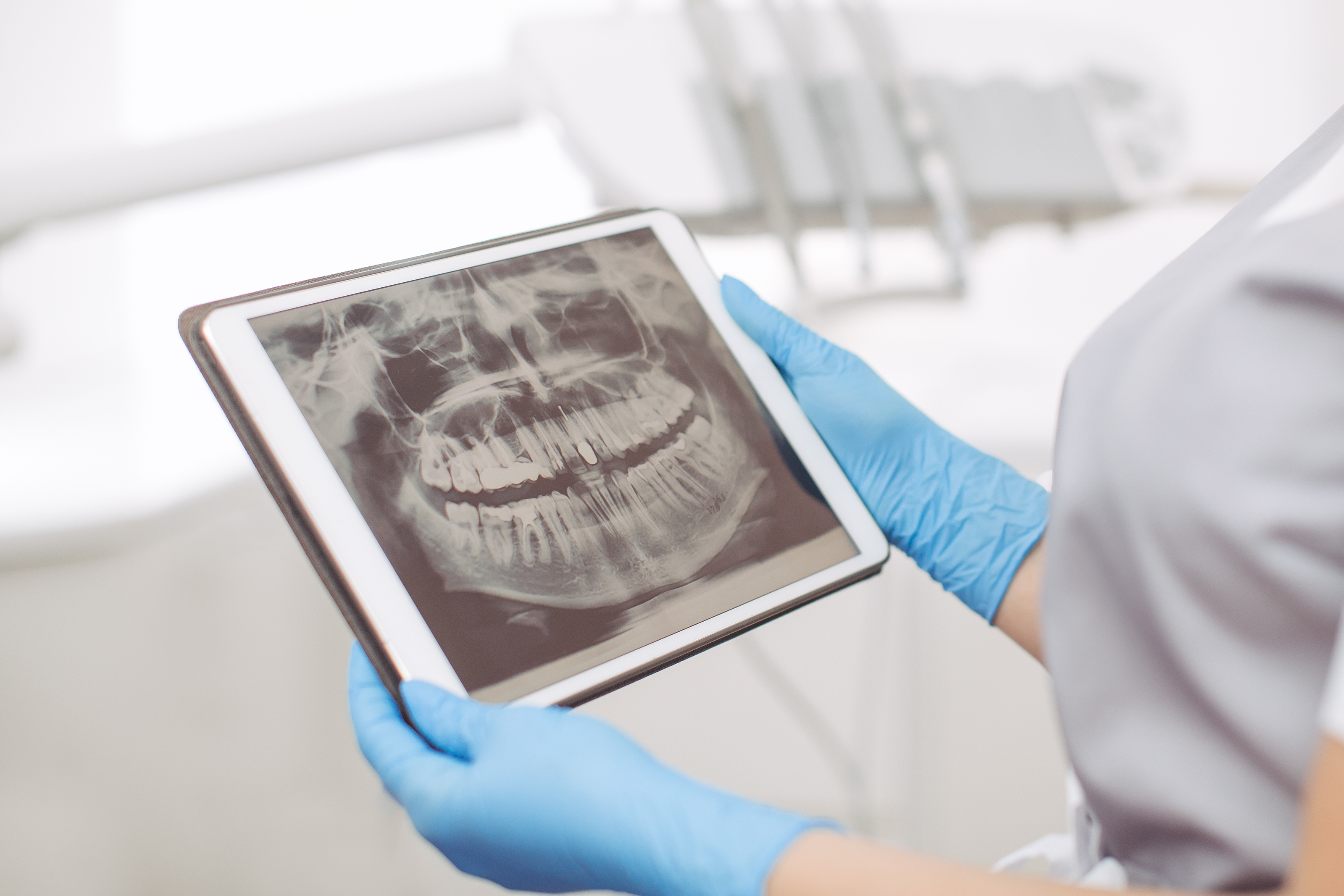
3D Intraoral Scan Capture
Patient's mouth is scanned using standard intraoral scanners. The 3D scan captures precise dental geometry, bite alignment, and gum structure.

OCR & Measurement Extraction
Optical Character Recognition (OCR) extracts dental measurements from scan metadata. AI reads tooth dimensions, inter-dental spacing, arch width, and gum contours from the 3D model.
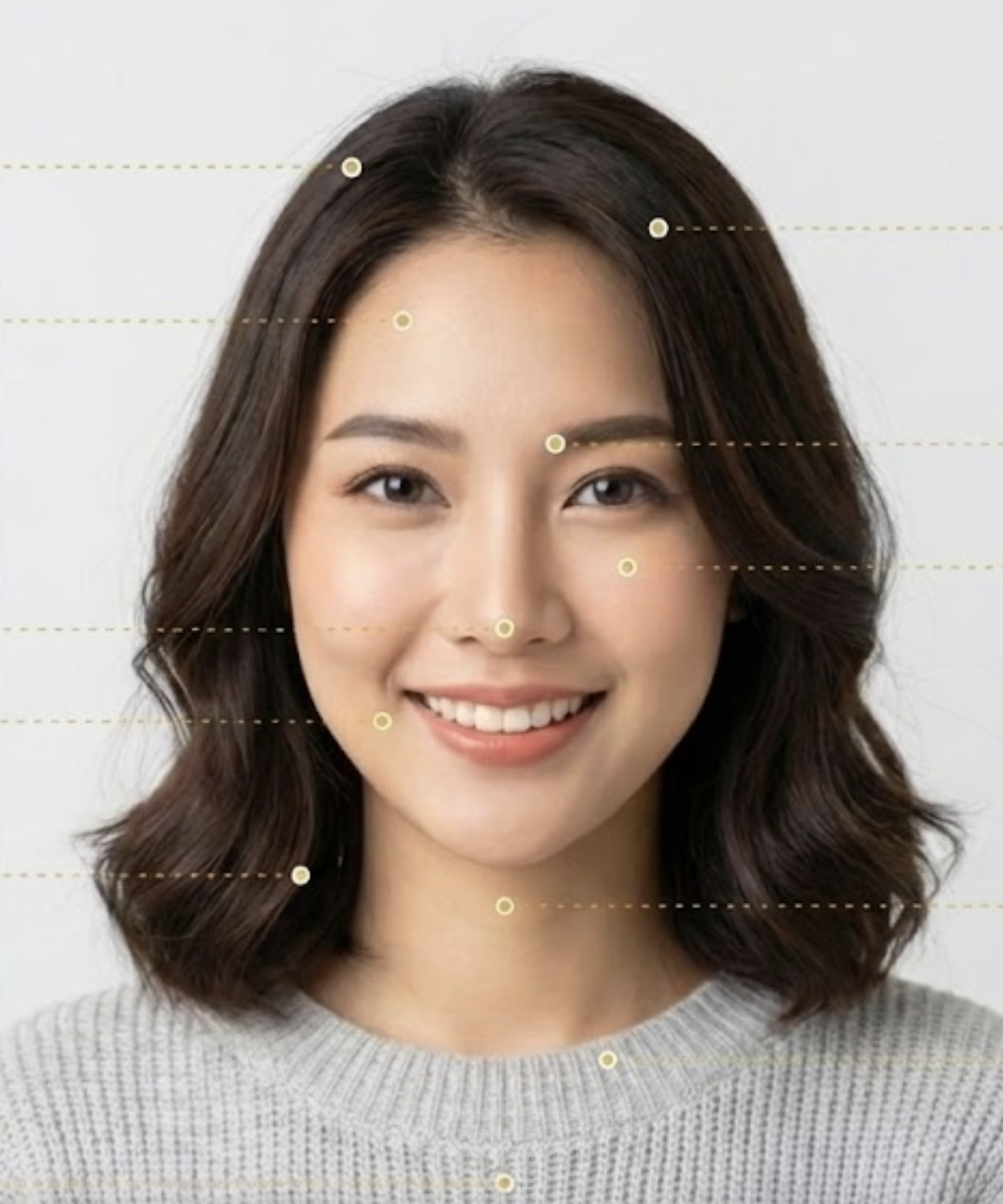
Computer Vision Facial Mapping
Patient's facial photograph is analyzed using computer vision algorithms. We map 10+ facial landmarks including lip corners, philtrum, chin contour, nose base, and facial midline.

Machine Learning Aesthetic Analysis
Our machine learning model, built on 50+ clinical research studies and clinical aesthetic standards, generates personalized smile designs. The AI considers: facial symmetry, proportions, ethnic variations, age, and gender.

Photorealistic Rendering
The final smile simulation is rendered using generative AI and composited onto the patient's photograph. Result: clinical-grade visualization showing their future smile.
Technical Specifications
Research-Based Projections
These figures are projections based on research and preliminary studies. Not yet proven in real-world settings.
Study Design: 6-month pilot with The S Clinic, Bangkok | N = 387 smile simulations | Single-location study
Disclaimer: These figures are research-based assumptions and have not yet been proven in real operational settings. Actual results may differ from projections and are not guaranteed.
Frequently Asked Questions
Ready to Transform Your Smile?
Join the clinics using SmileCraft AI to convert more patients and grow revenue